We recently hosted a wagashi-making and tea ceremony experience for a US-based company, held in a ballroom at a hotel in central Kyoto. The session was requested as an activity following a company meeting, for a group of 24 guests. The group included staff from the client company as well as their own customers, with Japanese and non-Japanese guests mixed together. The purpose of the request was simple: connection. The client wanted a time when colleagues and customers alike, regardless of nationality, could talk naturally with one another. A ballroom at the same hotel became the setting for this hands-on cultural experience.
The Experience
The 60-minute session was built around two parts.
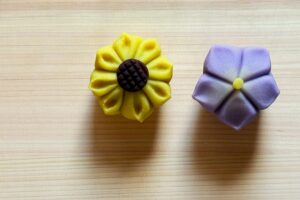
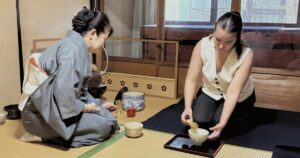
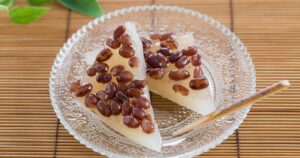
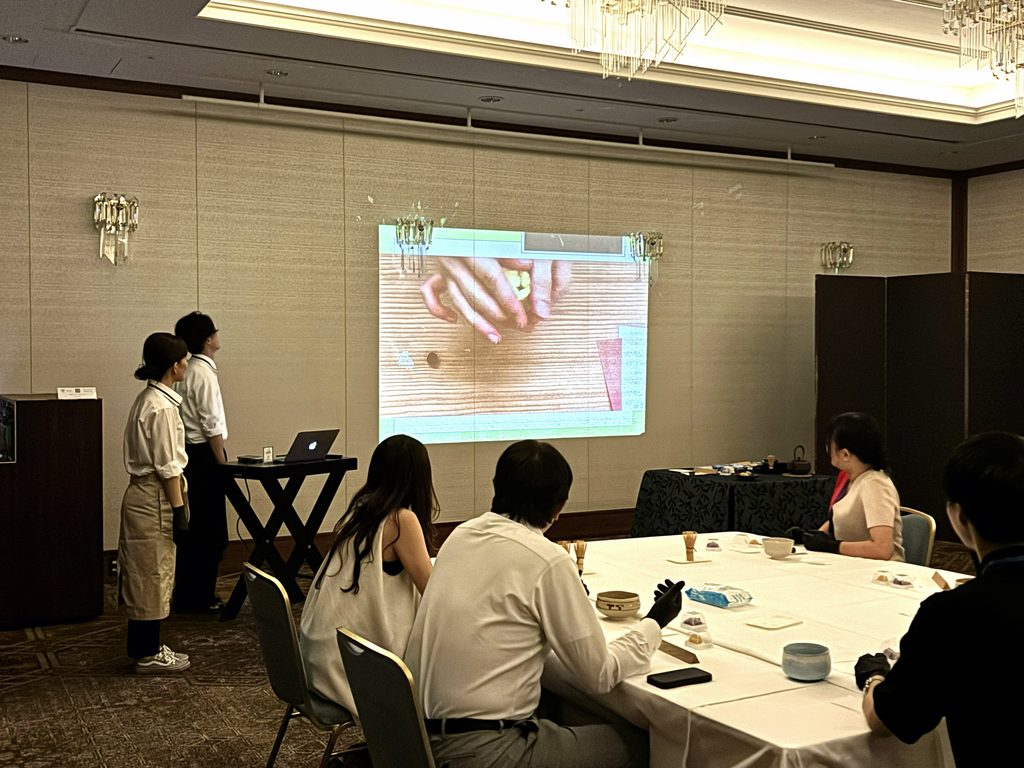
The lesson was led by a wagashi artisan who trained for 13 years at a well-known, long-established confectionery shop in Kyoto. Guests first made two types of nerikiri, a refined Japanese sweet, shaped into the motifs of kikyo (Chinese bell flower) and himawari (sunflower) for the season. Following the artisan’s demonstration, each guest shaped their own sweets by hand, comparing results with the people beside them and chatting about colors and shapes along the way, which itself became a natural conversation starter. Guests then moved on to preparing their own bowl of matcha with a chasen (bamboo whisk), to enjoy alongside the wagashi they had just made. Beyond simply watching, making and whisking with their own hands let guests experience Japanese culture directly.
Even in a hotel ballroom, careful table setup and guidance from the instructors kept the session focused and cohesive throughout. The program is structured so that even a group of 24 can work through every step without anyone falling behind.
On the Day
Most guests finished both of the nerikiri sweets they made themselves, the kikyo and the himawari. Client staff and their customers, Japanese and non-Japanese guests, shared the same tables, and language and job title mattered less than the shared act of making and whisking, which became a common topic of conversation. True to the goal of connection, the session became a natural opening for staff and customers who don’t often get the chance to talk to do just that.
The client’s contact shared the following feedback with us:
Our customers were also very pleased. It sounds like they enjoyed trying something for the first time.
Ideas for Corporate Use
This experience tends to be especially well received in situations such as an activity following a meeting or conference, a way to thank and entertain customers alongside staff, a reception for visiting guests or business partners, a social gathering for teams with both Japanese and international members, a cultural program built into training or an awards ceremony, or an activity during a company trip or incentive tour. It works well regardless of nationality or prior experience with wagashi or tea ceremony. Because it gets people talking while their hands are busy, it is particularly well suited to settings with a lot of first-time introductions, or where people of different roles or nationalities come together.
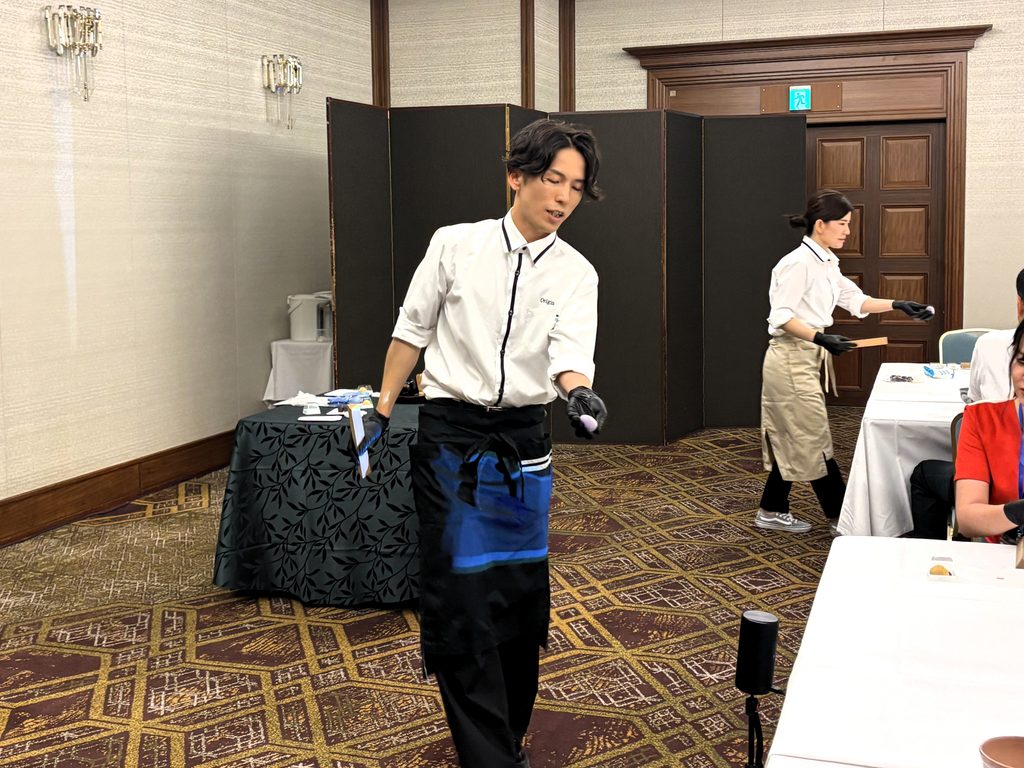
There is no need for a dedicated tatami room or a traditional machiya either. Since our instructors bring everything needed to any existing venue, including a hotel ballroom, groups of 20 or more can book without worrying about finding a special space. And because the whole program wraps up in 60 minutes, it fits easily alongside a meeting, training session, or ceremony.
Booking & Inquiries
If you’re interested in a wagashi-making and tea ceremony experience for your company, we’ll put together a program to match your group size and schedule. Please feel free to get in touch.