What is “Hatsumode”? — The Tradition of New Year’s First Prayer
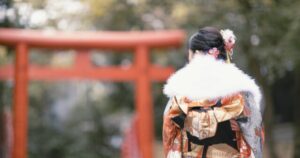
As the clock strikes midnight on December 31st, the atmosphere in Kyoto transforms into something sacred and electric. This is the start of Hatsumode, the tradition of making the first shrine or temple visit of the year.
The roots of this custom date back to the Heian period (794–1185) and an ancient ritual called “Toshigomori.” Traditionally, the head of a household would stay awake all night inside a local shrine to welcome the “Toshigami” (New Year deity).
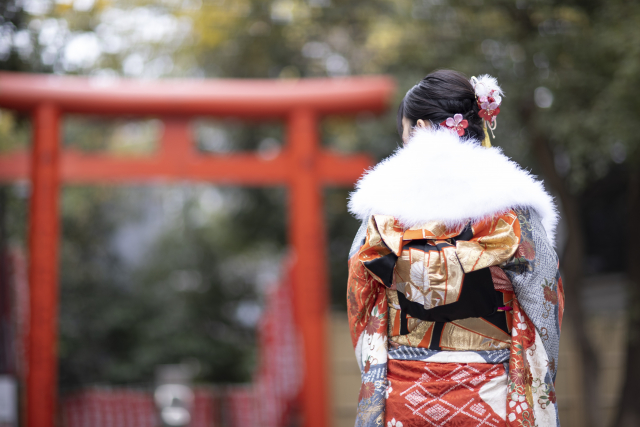
Today, Japanese people continue this tradition to express gratitude for the past year and pray for health and happiness in the next. It is a moment of spiritual “reset,” where we welcome the new deity’s life force to rejuvenate our own.
An Inclusive Spirituality: Why Both Shrines and Temples?
In Japan, Shintoism and Buddhism have coexisted for over a millennium in a unique fusion called “Shinbutsu-shugo.” You might see people visiting both Shinto shrines and Buddhist temples during the holidays. This is because Shinto is often associated with life and celebration, while Buddhism focuses on enlightenment and the afterlife. Hatsumode is a cultural ritual that transcends religious boundaries. People of all faiths and backgrounds are warmly welcomed to participate; all that is required is a heart of respect for the local traditions.
Special Spots for 2026: The Year of the Horse
According to the Oriental Zodiac, 2026 is the Year of the Horse (Umadoshi). In Japanese culture, horses are considered sacred messengers of the gods. Kyoto is home to legendary shrines with deep ties to these majestic animals.
- Kamigamo-jinja (World Heritage): One of Kyoto’s oldest shrines. It is famous for housing a “Shinme” (Sacred White Horse). Visiting this ancient site in the Year of the Horse is considered exceptionally auspicious.
- Shimogamo-jinja (World Heritage): Surrounded by the “Tadasu-no-mori” (The Forest of Correction), this shrine has historically held rituals involving horses to discern the will of the gods. Walking through its primeval forest is a perfect way to purify your soul for the new year.
Must-Visit Classics in Central Kyoto
- Yasaka Shrine (Gion): A historic guardian of the city against illness. Its New Year’s Eve ritual, “Okera-mairi,” where people carry home sacred fire on a straw rope, is an unforgettable Kyoto scene.
- Heian Jingu Shrine: Built in 1895 to commemorate the 1,100th anniversary of Kyoto’s founding. Its spacious grounds and massive vermillion gate offer a grand, refreshing atmosphere for a daytime visit.
- Fushimi Inari Taisha: The head of 30,000 Inari shrines nationwide. Its thousands of vermillion Torii gates represent vitality and protection. Be prepared for large but energetic crowds here!
Essential Tips: Festival Vibes and Transportation Warnings
At major shrines, you’ll find “Yatai” (food stalls) selling festive snacks like Yakisoba and “Amazake” (a warm, sweet, non-alcoholic rice drink). However, keep the following logistics in mind:
- Transport Limitations: In recent years, most trains in Kyoto do not run 24 hours on New Year’s Eve. Taxis are also nearly impossible to find after midnight.
- Crowd Control: The peak is Jan 1st (10:00 AM – 4:00 PM). For a more serene experience, try visiting in the early morning (around 7:00 AM) on Jan 2nd or 3rd.
From a First Prayer to a Deeper Cultural Connection
Hatsumode is a beautiful “entry point” into Japanese culture. If watching thousands of people praying in silence or hearing the deep resonance of a temple bell has stirred your curiosity, why not dive deeper?
While Hatsumode is a grand public ritual, the essence of Japanese spirituality is often found in the quiet, personal details. If you wish to understand the “Zen” behind the shrine or the aesthetic of the seasons you saw in the offerings, we invite you to explore further through hands-on experience.
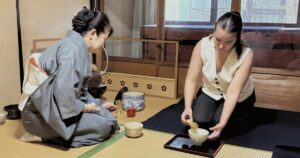
Engaging in Tea Ceremony, Zazen Meditation, or Wagashi (sweets) making allows you to move beyond being an observer. It is a chance to use your own hands to touch the traditions that have shaped Kyoto for centuries.
We offer authentic, professionally guided cultural programs for those who seek to turn their New Year’s curiosity into a lifelong memory. If the spirit of Kyoto has touched you during your New Year’s visit, we invite you to join us for a deeper exploration on your next trip or later in your stay.
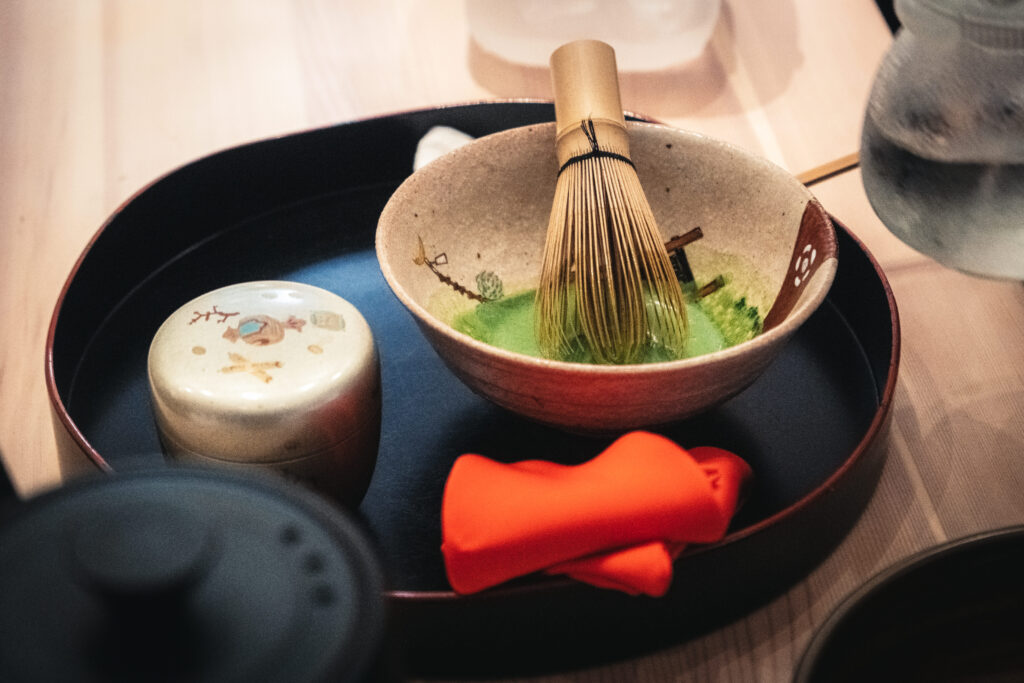
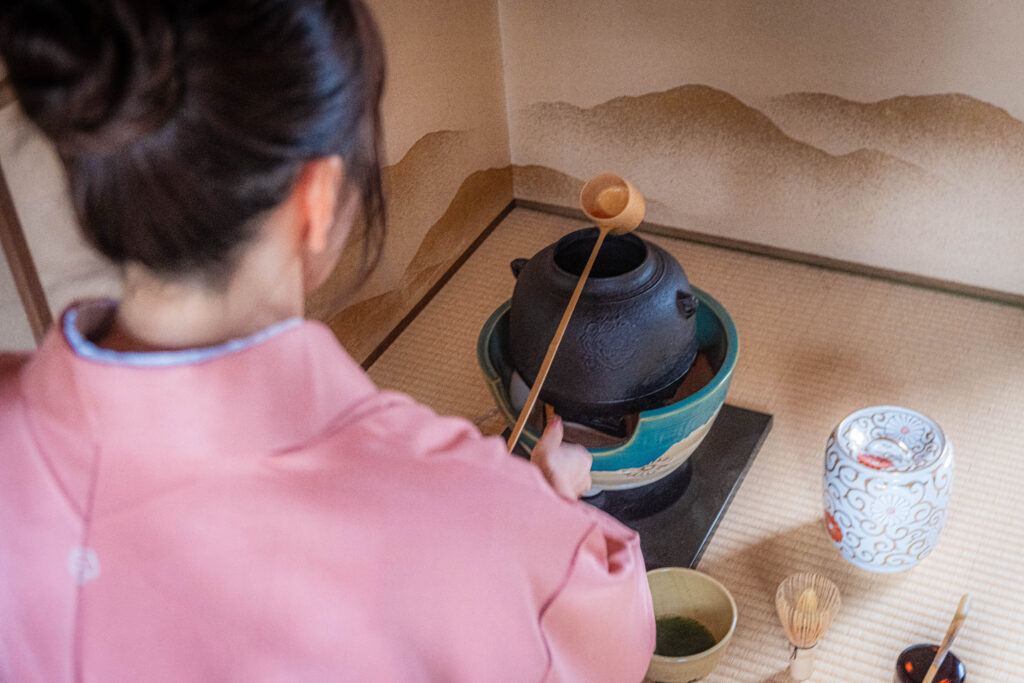
We offer authentic, professionally guided cultural programs for those who seek to turn their New Year’s curiosity into a lifelong memory. If the spirit of Kyoto has touched you during your New Year’s visit, we invite you to join us for a deeper exploration on your next trip or later in your stay.