A Japanese Tradition to Welcome Spring and Good Fortune
Setsubun is a traditional Japanese event held in early February. In 2026, Setsubun falls on February 3, which is the most common date in most years. In simple terms, Setsubun is a day to drive away bad luck and wish for health and happiness for everyone. It marks an important turning point in the Japanese calendar—the moment just before spring begins.
What Is Setsubun?
Setsubun is a seasonal event that takes place on the day before Risshun, the first day of spring in the traditional Japanese calendar.
For a long time in Japan, seasonal changes were considered very important.
People believed that the transition from one season to another was a time when bad luck or illness could easily appear.
Because of this, Setsubun became a day to cleanse the old season and welcome the new one with a fresh start.
Why Is Setsubun Held Before the First Day of Spring?
In the past, Japan used a traditional lunar-based calendar.
Under this system, the first day of spring was considered the beginning of a new year.
This made the day before spring especially meaningful.
It was seen as the final day of the old year—a moment to remove bad influences and prepare for a new beginning.
That is why Setsubun is still celebrated on the day before spring today.
The Original Meaning of the Word “Setsubun”
The word Setsubun originally means “dividing the seasons.”
Long ago, it referred to the day before each seasonal change:
- Spring(立春/Risshun)
- Summer(立夏/Rikka)
- Autumn(立秋/Risshu)
- Winter(立冬/Ritto)
However, from the Edo period onward, only the day before spring remained especially important.
As a result, today the word Setsubun usually refers only to the day before the first day of spring.
This shows how Japanese traditions have gradually changed over time while keeping their core meaning.
Why Were Seasonal Changes Considered Important?
In traditional Japanese belief, seasonal transitions were thought to be unstable times.
People believed that:
- illness
- natural disasters
- bad fortune
were more likely to occur during these moments.
Setsubun was created as a way to protect people from these unseen dangers and to help everyone move into the new season safely.
Common Setsubun Customs
Several symbolic customs are associated with Setsubun.
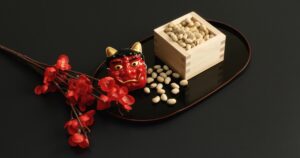
- Bean-throwing (Mamemaki)
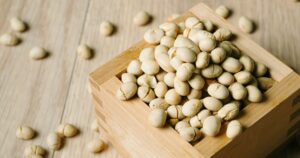
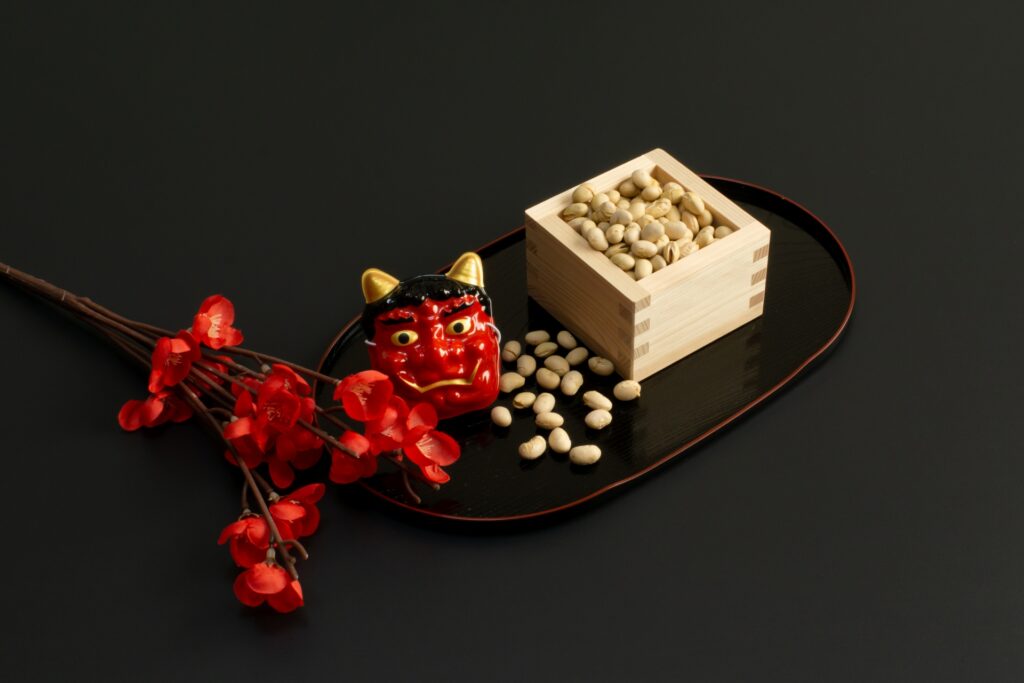
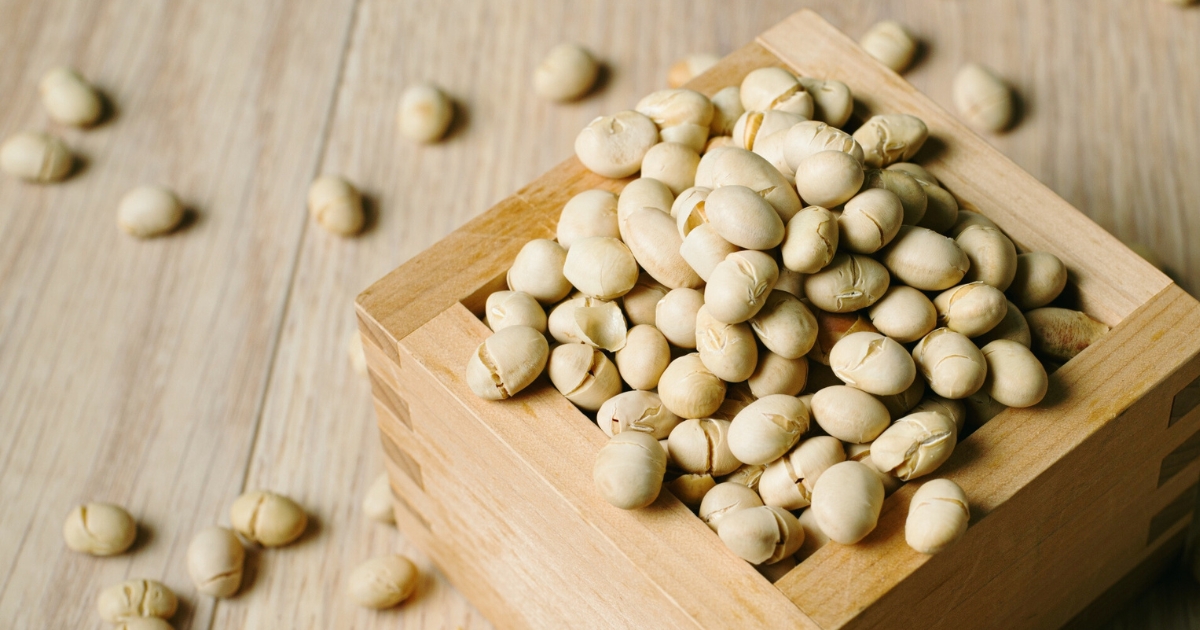
Roasted soybeans are thrown to chase away bad spirits, often represented as demons.
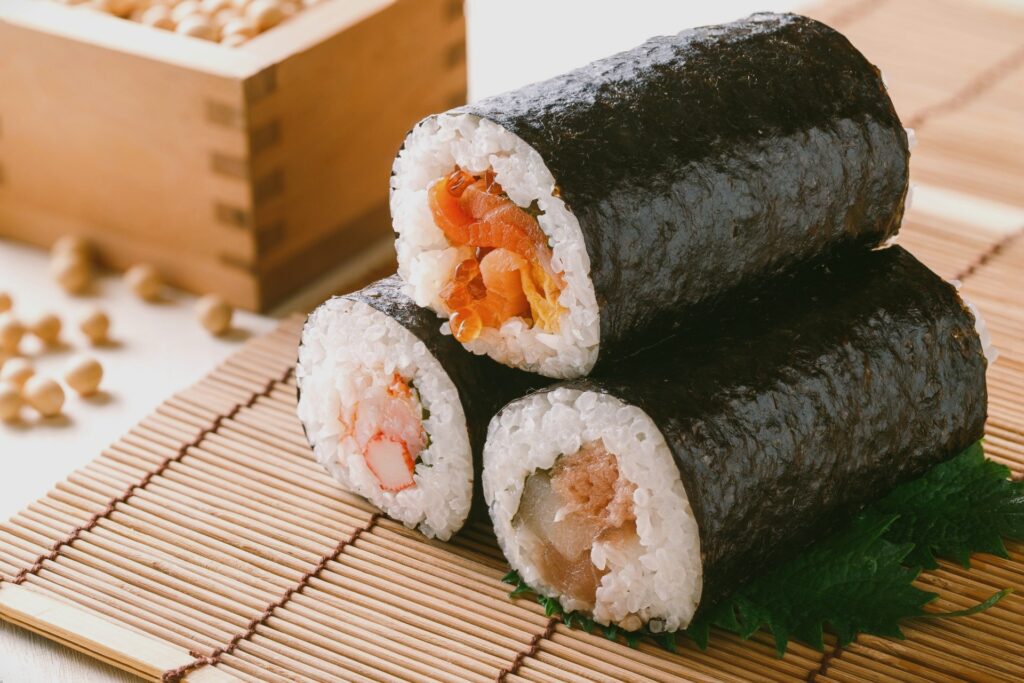
Afterward, people eat the same number of beans as their age to wish for good health in the coming year. - Ehomaki (Lucky Direction Sushi Roll)
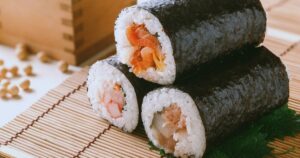
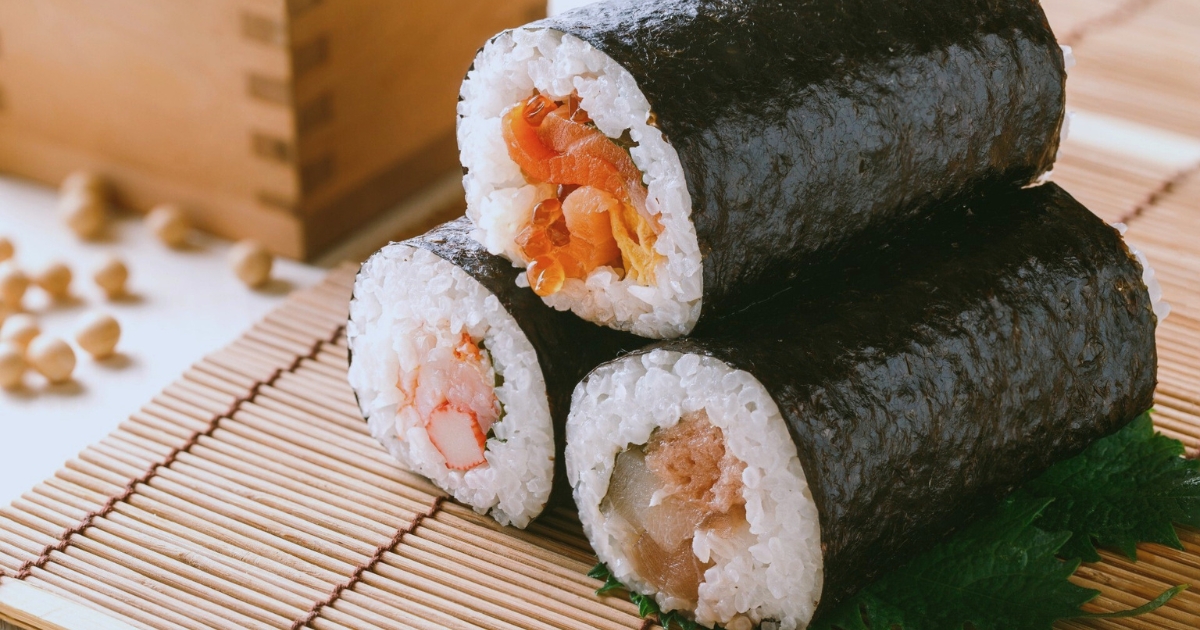
Ehomaki is a thick sushi roll eaten while facing a specific lucky direction for the year.
This custom originally began in the Kansai region of Japan and spread nationwide only in recent decades. - Setsubun Events at Shrines and Temples
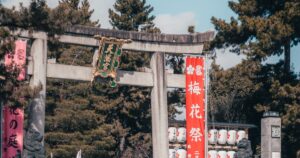
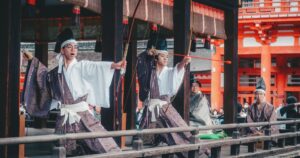
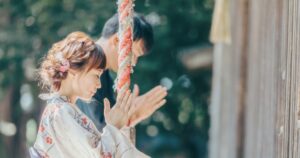
Many communities gather at shrines and temples to pray for good fortune and safety.
**Each of these customs has a deeper meaning, which we will explore in future articles.
Summary: A Day to Wish for a Safe and Healthy Year
Setsubun is a day to remove bad luck and welcome good fortune before a new season begins.
By throwing beans, eating them for health, and paying attention to direction and timing, people express a simple but powerful wish:
to live the coming year in good health and peace.
Rather than a grand festival, Setsubun is a warm and familiar tradition—one that reflects how Japanese people quietly care for everyday well-being.
Want to Learn More About Japanese Culture?
Japanese traditions are best understood not only by reading about them, but by experiencing them in person.
Why not explore Japanese culture through hands-on experiences?