Sagicho (Dondo-yaki): A Japanese Tradition After the New Year
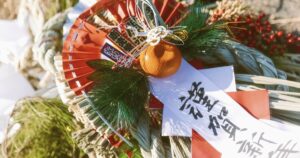
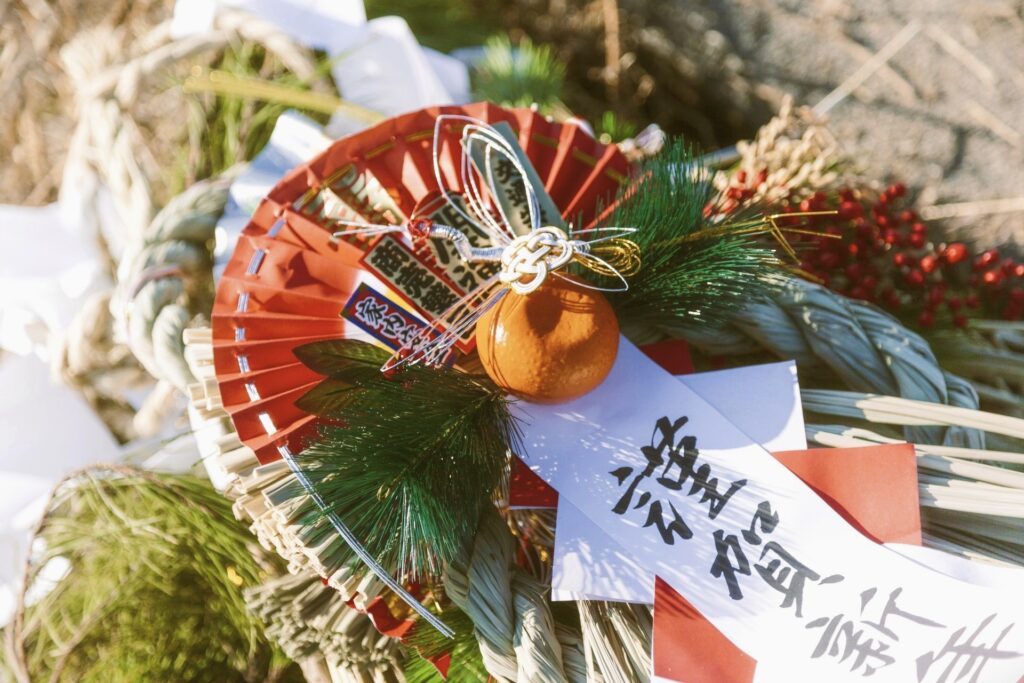
After the New Year in Japan, people take down shimenawa ropes, kadomatsu decorations, and amulets received from shrines and temples.
Do you know what happens to these items once their role is over?
In many parts of Japan, around January 15, people hold a traditional event called Sagicho.
Depending on the region, it is also known as Dondo-yaki or Tondo-yaki.
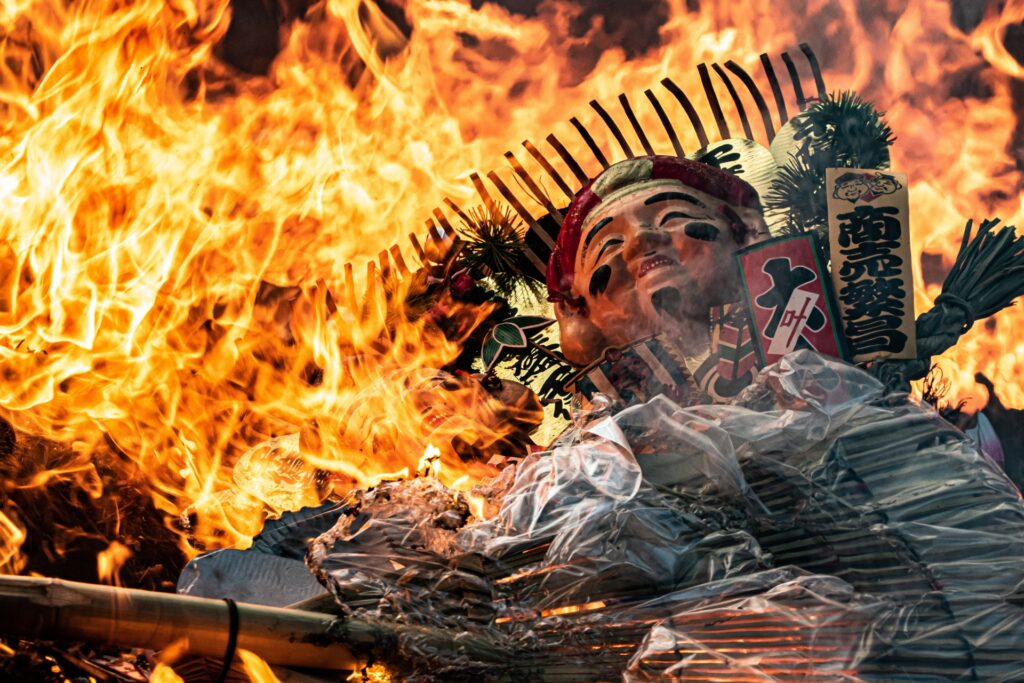
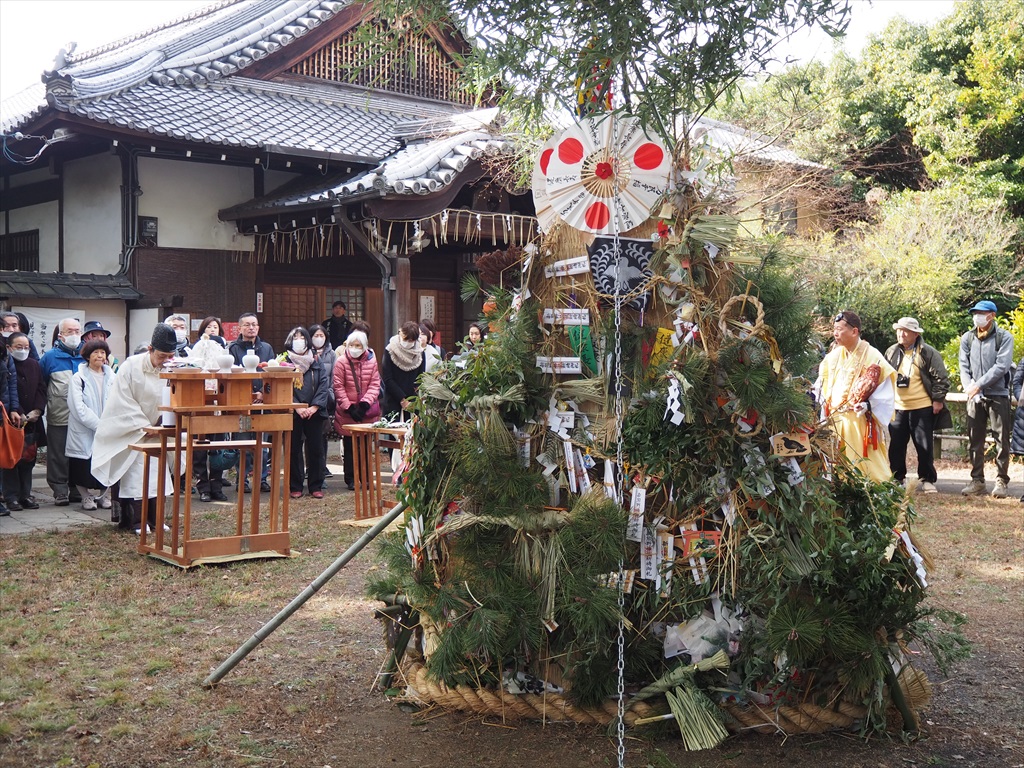
During this event, New Year decorations and old talismans are burned in a ceremonial fire.
Sagicho is not just about cleaning up.
It is a yearly ritual to give thanks for the past year and to pray for good health and safety in the year ahead.
What Is Sagicho (Dondo-yaki)?
Sagicho is a traditional Japanese fire ritual in which people burn:
- New Year decorations
- Calligraphy written at the start of the year
- Old amulets and paper charms
The fire is believed to send the New Year deity, Toshigami, back to the heavens.
In Japanese belief, fire and smoke have the power to purify and to connect people with the divine.
By burning these items, people show gratitude and mark the end of the New Year season.
Historical and Cultural Background of Sagicho
Sagicho is said to date back to the Heian period (794–1185).
At that time, it was a court ritual called Sagichō, where tools used during the New Year were burned to drive away misfortune.
Over time, the custom spread from the imperial court to samurai households and eventually to ordinary people.
It became a community-based seasonal event, deeply rooted in everyday life.
In Japan, there is a belief that objects also carry meaning and spirit.
Sagicho reflects a Japanese value:
rather than simply throwing things away, people thank them for their role and send them off respectfully.
Different Names in Different Regions
This ritual is held across Japan, but the name changes by region:
- Sagicho – mainly used in the Kansai area
- Dondo-yaki – the most widely used name nationwide
- Tondo-yaki – used in parts of western Japan
Although the names differ, the meaning is the same:
to burn New Year items, send off the deity, and pray for a safe and healthy year.
Why Around January 15? — The Connection to Koshōgatsu
Sagicho is usually held around January 15, a time known as Koshōgatsu, or the Little New Year.
In Japan, January 1 is the Major New Year, when people welcome the New Year deity.
Koshōgatsu, on the other hand, marks the time to send the deity back and return to daily life.
For this reason, burning New Year decorations during Sagicho naturally became part of the Little New Year traditions.
Where Is Sagicho Held?
Sagicho is not limited to one specific place.
It has traditionally been held in locations suited to each community, such as:
- Shrines
- Temples
- Neighborhood open spaces, fields, or riverbanks
What matters most is not the location itself, but the act of people gathering together to share the end of the New Year season.
Places in Kyoto Where Sagicho (Dondo-yaki) Is Held
In Kyoto, Sagicho (often called Dondo-yaki) is held around mid-January at various locations.
These events are usually organized by shrines and temples, where New Year decorations and old amulets are ceremonially burned.
Here are some representative examples:
Sanzen-in Temple (Ohara)
A famous Tendai Buddhist temple in northern Kyoto.
New Year decorations are burned, and prayers are offered for good harvests, family safety, and good health.
Sweet red bean soup (zenzai) is sometimes served.
Hiraoka Hachimangu Shrine (Umegahata)
New Year decorations and calligraphy are burned in a sacred fire.
Rice cakes are grilled in the fire and given to visitors as a blessing.
Imakumano Shrine (Higashiyama)
Sagicho rituals are held every year around January 15.
The event includes prayers influenced by both Shinto and Buddhist traditions, as well as simple forms of fortune-telling.
**Event dates and details vary each year. Please check official websites before visiting.
Folk Beliefs Related to Sagicho
Sagicho is associated with various folk beliefs that reflect people’s simple hopes for the year ahead.
- Burning New Year calligraphy (kakizome)
When calligraphy written at the beginning of the year is burned during Sagicho, it is said that the higher the flames or smoke rise, the more wisdom the writer will gain and the more their handwriting will improve. - Eating rice cakes or dumplings grilled in the Sagicho fire
It is believed to help prevent toothaches and protect one’s health for the entire year. - Sprinkling the ashes around the home
The ashes from the fire are sometimes scattered around the house or garden, as they are thought to bring household safety and ward off evil.
Sagicho: A Ritual for Returning to Everyday Life
Sagicho marks the transition from the festive New Year season back to daily life.
People thank the items that supported them during the New Year, gather around the fire, and pray together for the year ahead.
It is a quiet but meaningful tradition that continues to live on in Japanese communities.
To Discover Japanese Culture More Deeply
Japanese seasonal events reflect values and ways of thinking that are difficult to understand through words alone.
If you would like to explore Japanese culture more deeply and experience its background firsthand,
why not join a cultural experience?
By experiencing it yourself, Japanese culture becomes more vivid—and far more memorable.