Do You Know the Difference Between Shrines and Temples?
When visiting Kyoto, you will see many shrines and temples. They may look similar at first, but they are based on different beliefs and play different roles in Japanese life.
Even many Japanese people do not consciously think about the difference. This article explains it in clear, simple English, so you can enjoy Japanese culture more deeply when you travel.
The Difference at a Glance
Let’s start with a simple overview.
- Shrines are based on Shinto, Japan’s native belief system. They enshrine kami (gods or spirits).
- Temples are based on Buddhism, which came to Japan from India. They enshrine Buddha and Buddhist figures.
Their purposes are also different.
- Shrines: wishes, gratitude, life events, everyday happiness
- Temples: prayer, reflection, memorials, facing life and death
Even the way you pray is different.
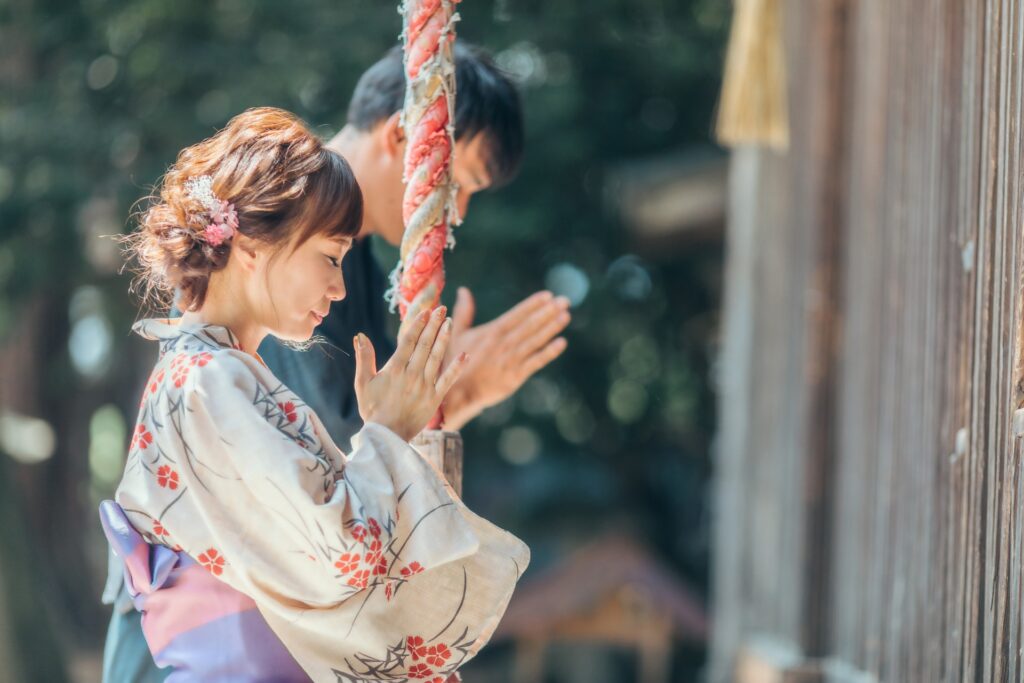
- At shrines: bow twice, clap twice, bow once
- At temples: quietly put your hands together (no clapping)
Knowing this alone will make sightseeing much easier.
What Is Shinto? What Is a Shrine?
Shinto: Belief in Kami
Shinto is Japan’s original belief system. It does not have a founder or holy book. Instead, it grew naturally from everyday life.
A key idea in Shinto is “Yaoyorozu no Kami”, often translated as “many gods or spirits.” This does not mean an exact number. It means that divine presences exist everywhere.
Mountains, rivers, trees, the sea, the sun—and even places, tools, and human activities—can have a sacred or spiritual presence.
In Shinto, these are not distant, all-powerful gods. They are divine beings or spirits closely connected to nature and daily life.
Shrines
Shrines are places where kami are enshrined. A torii gate marks the entrance to a sacred space.
Famous shrines in Kyoto include:
- Fushimi Inari Taisha: shrine of Inari, associated with rice, business, and prosperity
- Yasaka Shrine: known for protection from illness and the Gion Festival
Shrines are not only places to ask for something. They are also places to express gratitude and reset your mind.
(Still, to be honest, many of us go to shrines to make wishes.)
What Is Buddhism? What Is a Temple?
Buddhism
Buddhism was founded about 2,500 years ago in India. Its founder is Siddhartha Gautama(the Buddha), a person who attained enlightenment.
Buddhism asks a central question: How can humans free themselves from suffering?
It teaches ways to face desire, anger, fear, and attachment, and how to calm and understand the mind.
Temples
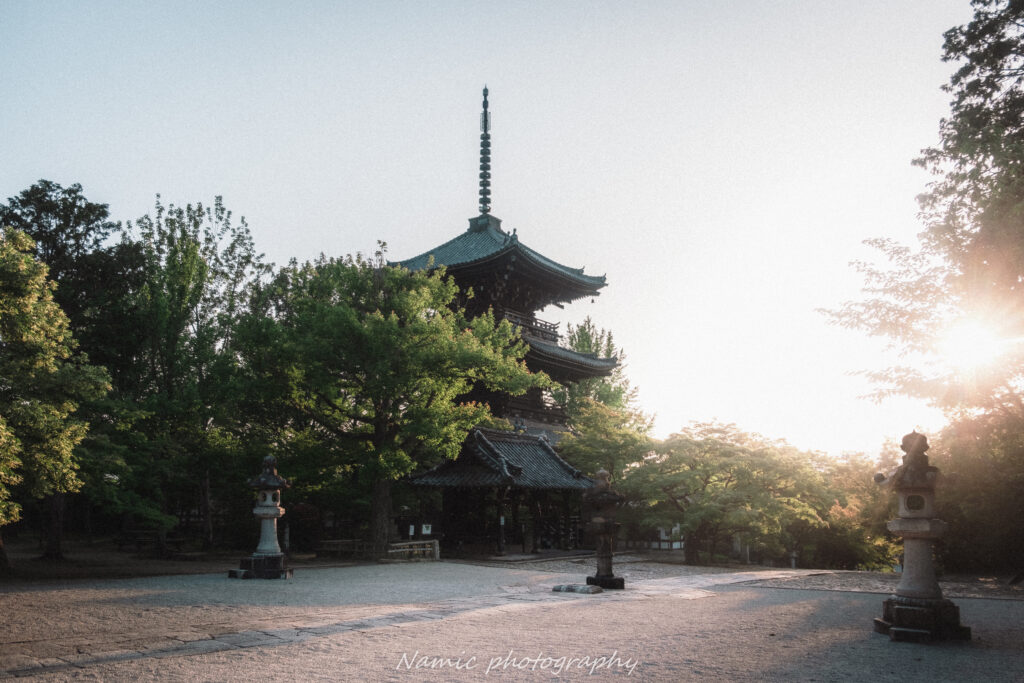
Temples are places to enshrine Buddha and learn Buddhist teachings.
Famous temples in Kyoto include:
- Kiyomizu-dera: associated with compassion and prayers for salvation
- Kinkaku-ji (Golden Pavilion): a Zen temple focused on simplicity and inner reflection
Temples are quiet spaces to look inward and reflect on life.
Shinbutsu-shugo: When Shinto and Buddhism Came Together
In Japan, Shinto and Buddhism were not seen as enemies. Instead, they blended together in a unique way called Shinbutsu-shugo.
A Brief History
Buddhism arrived in Japan around the 6th century. Rather than rejecting Shinto beliefs, people accepted Buddhism as new wisdom.
- Kami protected the land and daily life
- Buddhas guided people toward enlightenment
Because they had different roles, they could coexist.
Later, people believed that kami were manifestations of Buddhas (a theory called Honji Suijaku).
As a result:
- Temples were built inside shrine grounds
- Shrines existed within temple grounds
This mixed landscape became normal across Japan.
Can I Visit Shrines and Temples If My Religion Is Different?
Yes.
In Japan, the idea that “you cannot visit because your religion is different” almost does not exist.
Whether you are Christian, Muslim, Jewish, Buddhist, or have no religion, visiting shrines and temples is generally fine.
What matters most is not belief, but respect.
- Be quiet
- Follow basic manners
- Show gratitude
Shrines and temples are open spaces for everyone.
This mindset is deeply connected to Japan’s religious culture.
Religious Identity in Japan: Why Many People Say “No Religion”
If you ask Japanese people about their religion, many will answer “no religion.”
However, statistics often show:
- Buddhism: about 70%
- Shinto: about 60%
- Christianity: 1–2%
The total exceeds 100%. This is because people use religions by occasion.
Religion in Japan is not about choosing one belief. It is about what fits the moment.
Life Events: Shrines and Temples in Daily Life
This way of thinking is easy to see in life events.
- Birth / Shichi-Go-San: shrine
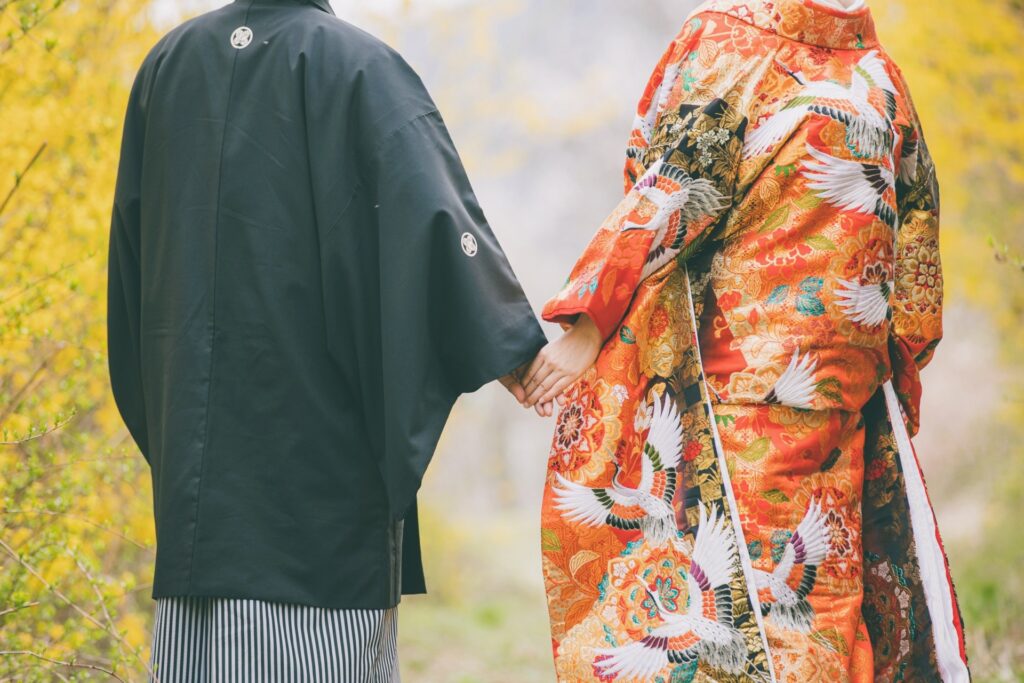
- Weddings: shrine, Buddhist style, or non-religious
- Funerals and memorials: temple
In simple terms:
- Beginnings and blessings → shrines
- Death and remembrance → temples
This balance developed naturally over time.
Visiting Manners for Travelers
At Shrines
- Bow lightly before entering the torii gate
- Wash hands and mouth at the purification fountain
- Bow twice, clap twice, bow once
At Temples
- Enter quietly
- Incense and candles are for calming the mind
- Put hands together quietly (no clapping)
A Hint to Understand Japanese Culture: Tea and Zen
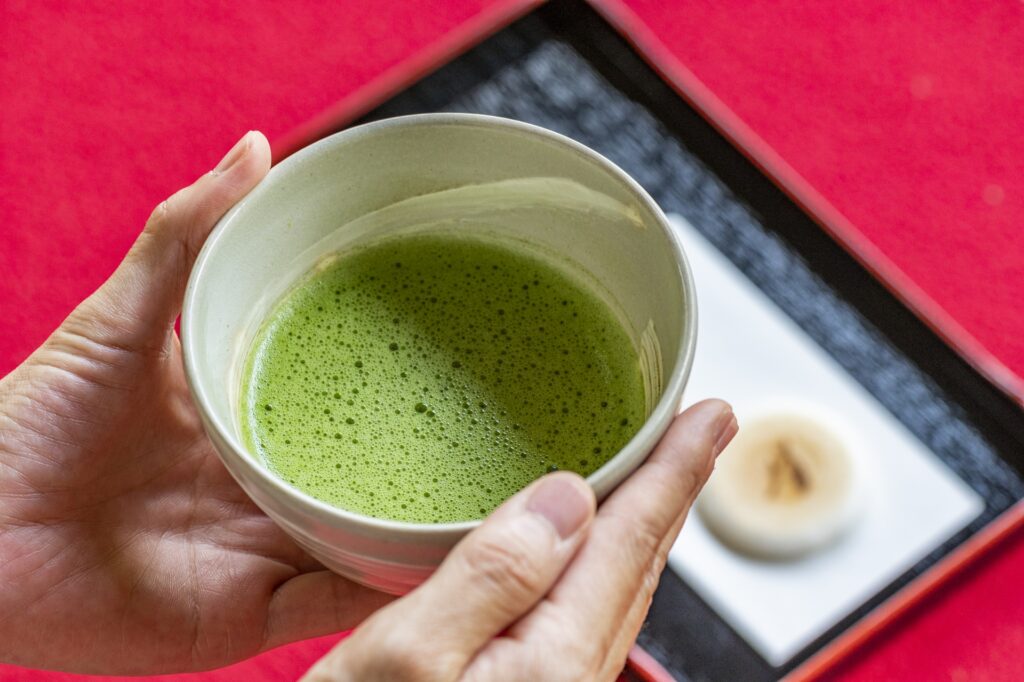
To understand Japanese culture more deeply, it helps to know that the tea ceremony is closely connected to Zen Buddhism.
Simplicity, mindfulness, and focusing on the present moment are all ideas shared with Zen.
When you understand this background, shrines, temples, and cultural experiences become much more meaningful.
From Understanding to Experience
Learning the difference between shrines and temples helps you see Kyoto in a new way.
Japanese culture is not only something to look at. It is something to experience with your own senses.
If you would like to experience Japanese culture more deeply, we invite you to learn more here.