What Is Kagami Mochi?
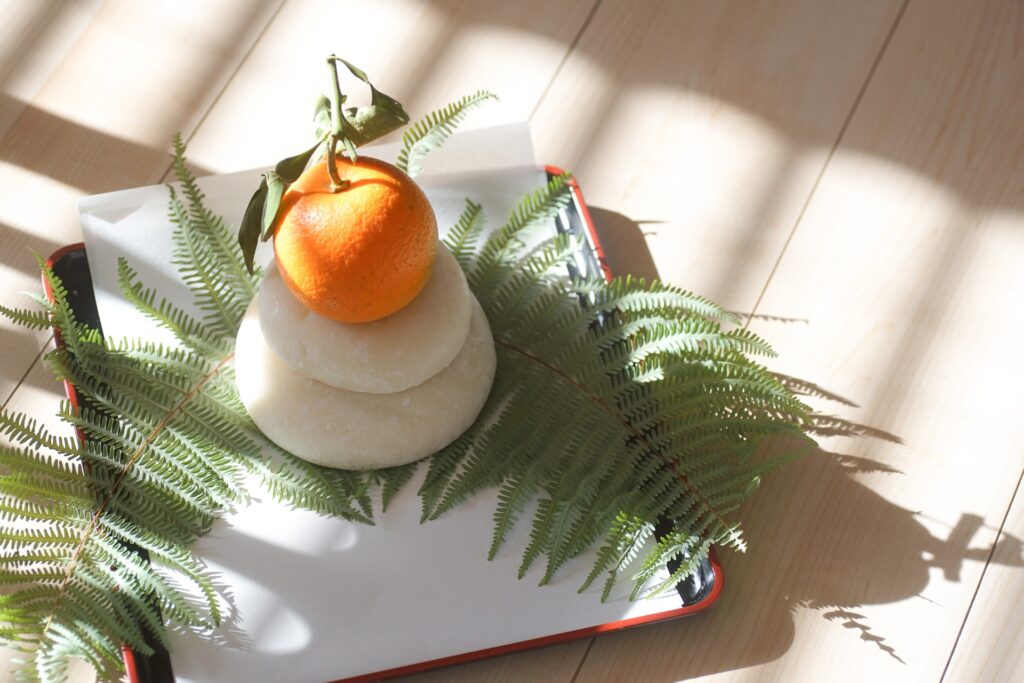
At New Year, you will often see a simple but distinctive decoration in Japanese homes and shops: two round rice cakes stacked on top of each other, usually topped with a small citrus fruit. This is called kagami mochi.
Many Japanese people grow up seeing kagami mochi every year, but even they may not clearly explain why it is displayed. It is not just a decoration. Kagami mochi reflects how Japanese people have traditionally welcomed the New Year and marked the turning point of the year.
Why Do Japanese Display Kagami Mochi?
Kagami mochi has been displayed since at least the medieval period in Japan.
In traditional belief, the New Year begins with the visit of Toshigami, the deity of the year, who brings health and a good harvest. Kagami mochi is placed as an offering and as a symbolic place for this deity to reside during the New Year period.
The word kagami (mirror) comes from ancient bronze mirrors, which were considered sacred objects. Their round shape was believed to attract spiritual presence. Over time, round rice cakes came to represent mirrors, giving kagami mochi its name.
The Meaning Behind Its Shape
The form of kagami mochi is simple, but each element carries meaning:
- Round rice cakes: harmony, balance, and peaceful relationships
- Two stacked layers: pairs such as past and future, heaven and earth, or yin and yang
- Daidai (Japanese bitter orange): continuity and family prosperity, as its name sounds like “generation to generation” in Japanese
Together, they express hopes for stability and continuity in the coming year.
Do the Decorations Have Meanings?
Depending on the region or household, kagami mochi may be displayed with additional decorations. These are not random; each has a symbolic role:
- Urajirō leaves: purity and longevity, as the white underside represents cleanliness
- Kombu (kelp): joy and good fortune, linked to the word yorokobu (to be happy)
- Fan (ōgi): prosperity, as it opens wider toward the end
- Red and white paper: protection from misfortune
These items express respect for tradition and positive wishes for the year ahead.
When Is Kagami Mochi Displayed?
Traditionally, kagami mochi is set out before the New Year begins.
- When to display it: by December 28
- December 29 is often avoided due to an unlucky association
- December 31 is considered too late, as it suggests a rushed or careless preparation
- How long it stays displayed: until the end of Matsu-no-uchi (the New Year period)
- Kanto region: until January 7
- Kansai region: until January 15
During this time, kagami mochi represents the presence of Toshigami in the household.
Kagami Mochi and Kagami Biraki
After the New Year period ends, kagami mochi is taken down. The rice cakes are then eaten in a ritual called kagami biraki (“opening the mirror”).
Kagami biraki is not simply cleaning up decorations. By eating the rice cakes, people symbolically share the energy and blessings of the New Year.
Why the Dates Are Different
The date of kagami biraki differs by region:
- Kansai: Often performed on January 15, the same day kagami mochi is taken down
- Kanto: Usually on January 11, a few days after it is removed
In areas where there is a gap, kagami mochi is kept in a clean place until kagami biraki. The difference reflects regional customs rather than strict rules.
Kagami Mochi in Modern Life
Today, many households use individually wrapped rice cakes or decorative kagami mochi made of plastic. While the form has adapted to modern lifestyles, the idea behind it remains the same: marking the New Year with care and intention.
Kagami Mochi as One Part of Japanese Culture
Kagami mochi is only a small part of Japanese culture, but it offers a helpful starting point. Like many everyday customs in Japan, it is not something people consciously reflect on each year. Instead, it quietly reflects deeper ideas about seasonality, transitions, and respect for what cannot be seen.
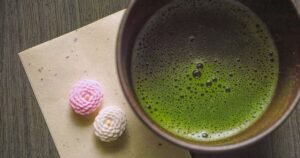
These ways of thinking are shared across many aspects of Japanese culture, from tea and sweets to the way spaces are arranged or guests are welcomed. By exploring such practices beyond their surface appearance, it becomes easier to understand how Japanese culture is shaped by attention to detail and an appreciation of context.
For those who wish to go beyond what is visible and explore Japanese culture more deeply, cultural experiences can offer an opportunity to encounter these values firsthand.