You may have heard the word “Hinamatsuri,” but do you know the fascinating depth behind this Japanese tradition? Often translated as the “Doll Festival,” it is a day dedicated to the health and future of daughters—celebrated by displaying exquisite imperial dolls and sharing symbolic seasonal foods.
Behind these beautiful customs lies a sophisticated system designed to protect children and envision their prosperity. As I watched my own parents carefully set up our family’s dolls each spring, I began to see that every detail—from the dolls’ robes to the colors of the sweets—is rooted in ancient logic and seasonal science.
Why is it for Girls? A System of Protection and Success
Originally, this festival was a ritual to “wash away” bad luck for everyone. Over time, it evolved into a specialized day for daughters, designed with two cultural goals:
The Peach as a “Guardian”:
In Japanese mythology, the Peach is a sacred plant with the power to repel evil spirits. By dedicating this day to the peach, families provided their daughters with a symbolic shield to ensure their safety.
The “Model” of a Prosperous Life:
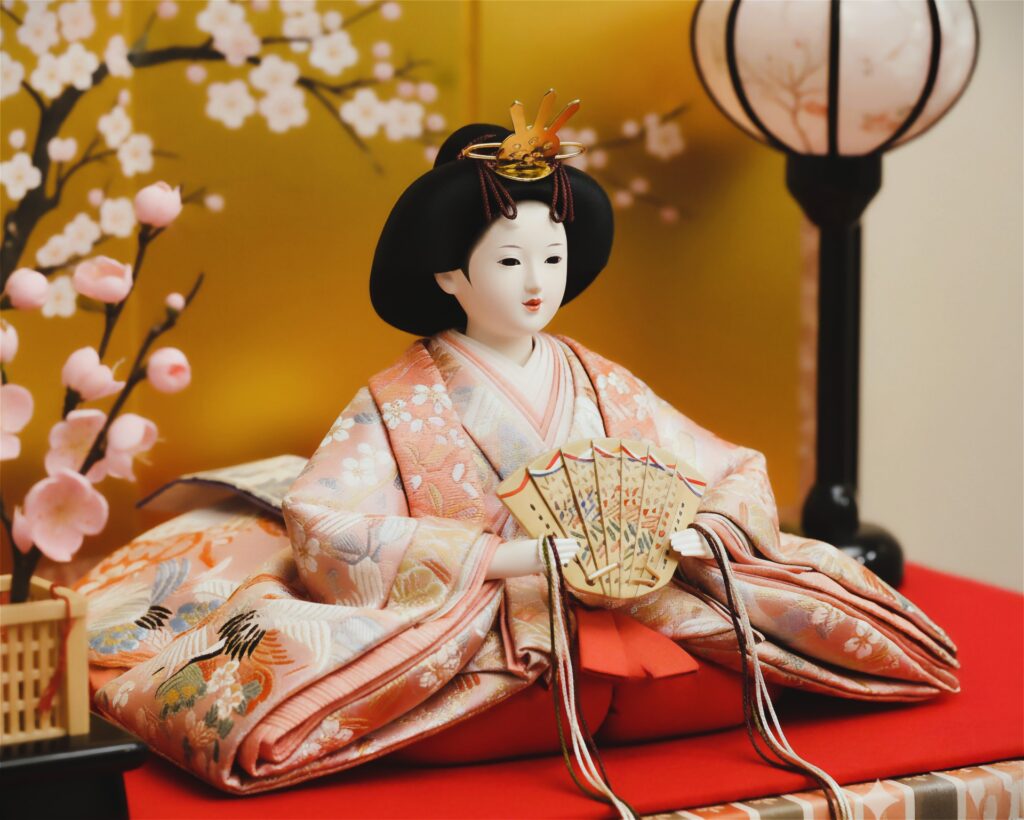
The dolls represent the Imperial Court of the Heian Period (794–1185)—the peak of Japanese elegance. During the Edo period, parents displayed these dolls to surround their daughters with the aesthetics of the highest social class, visualizing a future of abundance and stability.
A Balance with the Boys’ Festival:
The year was designed with two counterparts: March 3rd for girls (focused on internal health and cultural stability) and May 5th for boys (focused on external strength).
The Hina-dan: A Miniature Royal Stage of the “Ideal Life”
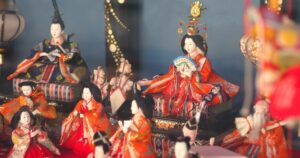
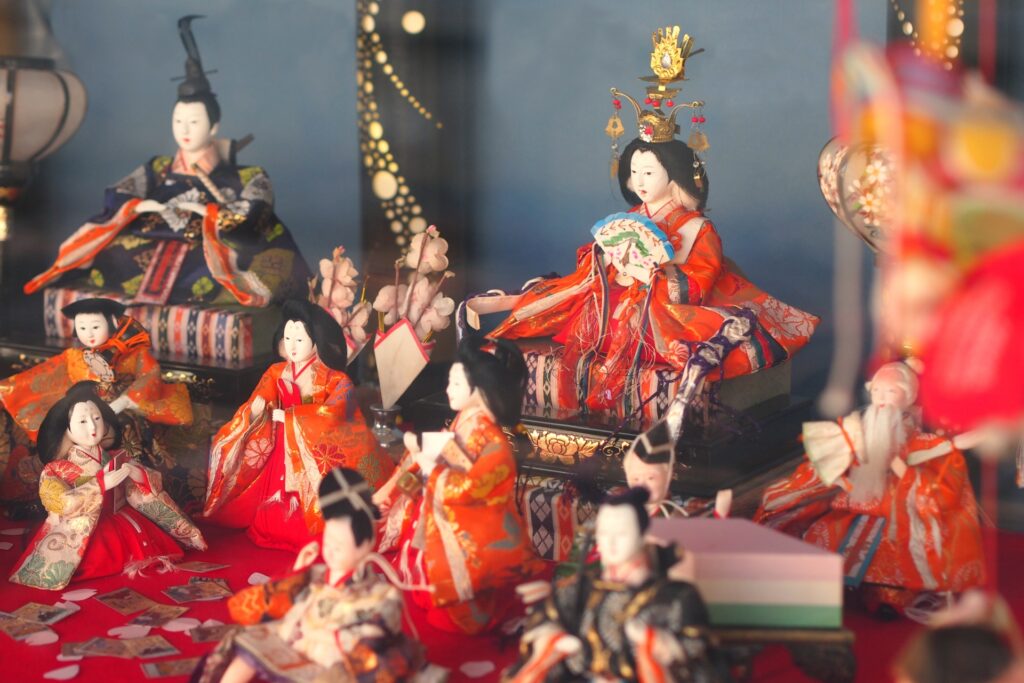
The tiered display stand, known as the Hina-dan, is not just a decorative shelf. It is a meticulously designed “stage” that compresses the world of the Heian Period Imperial Palace into a compact form.
- The Empress and Emperor: At the very top sit the Dairi-bina, representing the Emperor and Empress in their finest ceremonial robes. They symbolize the pinnacle of harmony and the “ideal couple.”
- Visualizing Prosperity: The lower tiers are filled with exquisite miniatures of high-end furniture, lacquered boxes, and tea utensils. These represent a “bridal trousseau,” surrounding the daughter with the symbols of an abundant and refined life. It was a parent’s way of visualizing a future where their child would never lack for the necessities of a dignified life.
When to Display the Dolls: The Wisdom of “Risshun”
In Japan, we value the precise “turning point” of the seasons. The dolls are usually displayed starting from Risshun (around February 4th), which marks the traditional beginning of spring. Setting them up at this time is a way of “resetting” the home’s energy and preparing to welcome the new season with a clean slate.
The Meaning of the Dolls: A Spiritual “Substitute”
The Hina dolls are not just toys; they function as a “substitute” (Katashiro). In ancient rituals, people transferred their misfortunes onto paper dolls to be washed away in rivers.
Today, the beautiful dolls kept in the home act as a permanent spiritual shield, absorbing any potential sickness or bad luck that might otherwise affect the daughter of the house.
Seasonal Flavors: The Fusion of Symbolism and Functional Medicine
The traditional foods for Hinamatsuri are a masterclass in combining aesthetic symbolism with ancient medical wisdom.
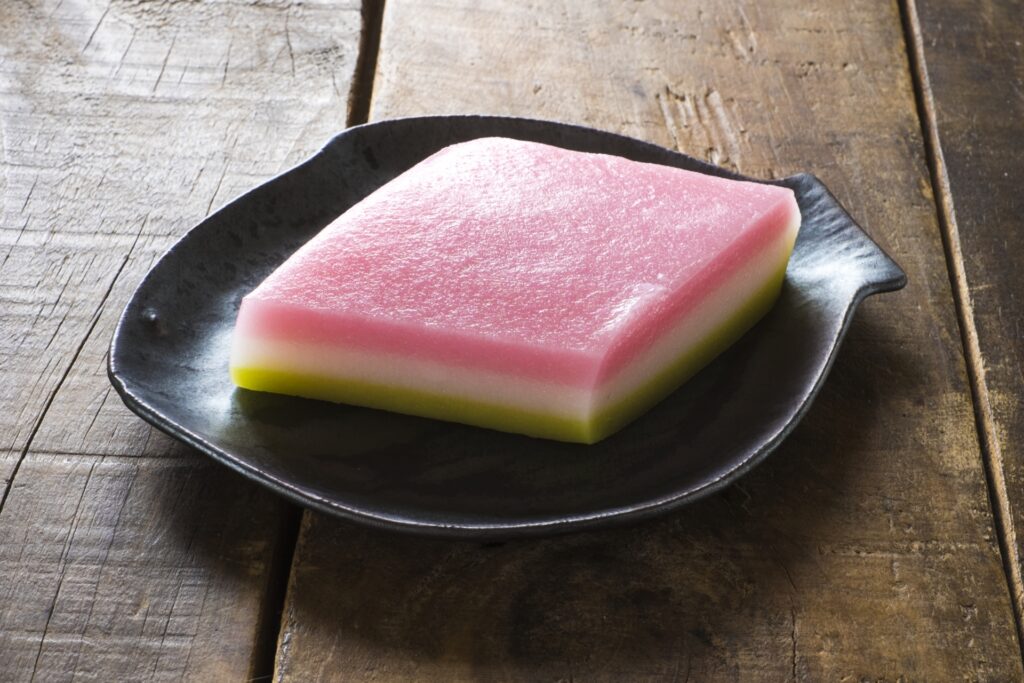
- The Three-Color Landscape (Hishi-mochi & Hina-arare): The palette of Pink, White, and Green represents a specific spring scene: “Pink peach blossoms blooming above the white snow, with green grass sprouting underneath.”
- Functional Medicine in Colors: These colors were derived from medicinal plants to support health during the unstable transition of seasons:
- Pink (Red): Colored with Gardenia (Kuchi-nashi), used in traditional medicine for its detoxification properties.
- Green: Made with Mugwort (Yomogi), known for its blood-boosting (hematopoietic) effects.
- White: Contains Water Caltrop (Hishi), believed to help lower blood pressure.
- Clam Soup (Hamaguri) & Chirashi Sushi:
- Hamaguri Clams: Because a clam’s shells only fit their original partner, they symbolize a “perfect match” and a harmonious lifelong marriage.
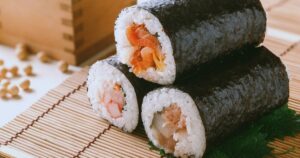
- Chirashi Sushi: Each ingredient acts as a symbol of success—Shrimp for longevity, Lotus root for a clear vision of the future, and Beans for the strength to work diligently.
The Truth Behind the Superstition
There is a famous saying: “If you don’t pack the dolls away quickly after March 3rd, the daughter will marry late.”
This is not just a superstition; it is a lesson in discipline and asset management. March marks the start of Japan’s humid season. Packing the delicate dolls away immediately is a logical way to protect them from moisture and mold.
Experience the Depth of Kyoto Culture
Hinamatsuri is a perfect example of how Japanese traditions blend aesthetic beauty with practical wisdom. These stories come to life when you experience them in the heart of their origin.
In Kyoto, we invite you to go beyond the surface. From the meditative art of the tea ceremony to the profound rituals of traditional dress, discover the “reasons why” behind Japan’s timeless beauty.