A Lucky Sushi Roll Eaten on Setsubun in Japan
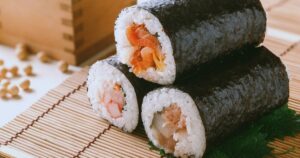
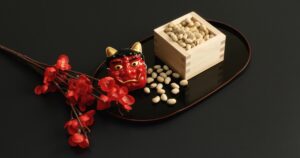
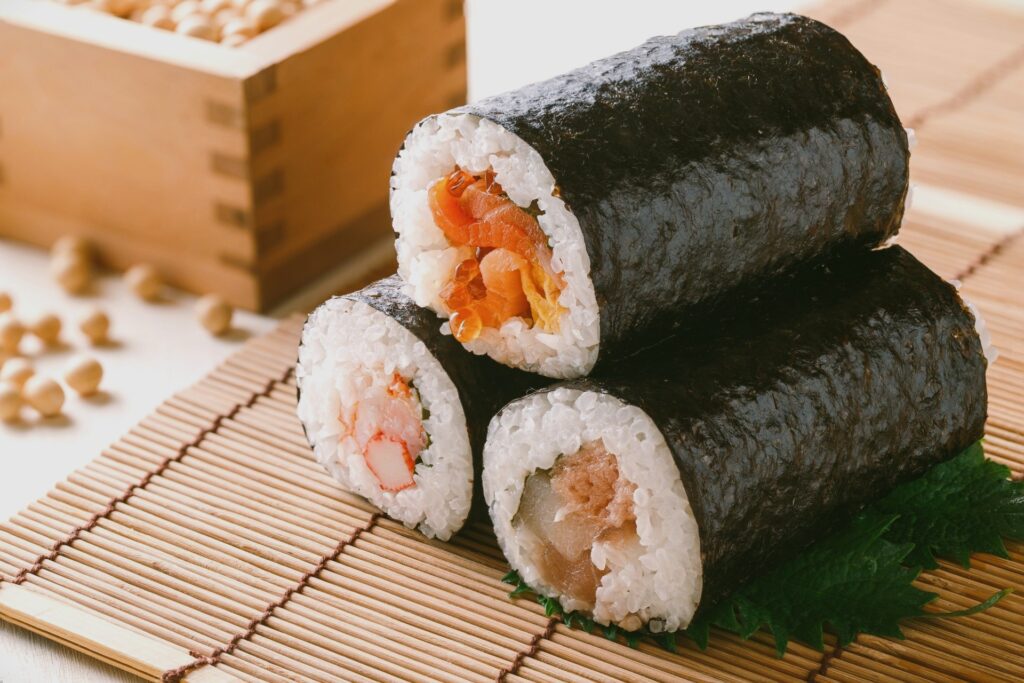
Ehomaki is a traditional Japanese food eaten on Setsubun, a seasonal event held just before the beginning of spring.
In 2026, Setsubun falls on February 3, as it usually does in early February.
Ehomaki is a thick sushi roll that people eat to wish for health, happiness, and good fortune in the coming year.
Where Did Ehomaki Come From?
Ehomaki originally began as a regional custom in the Kansai area, including Osaka and Kyoto.
It was not widely known across Japan until recent decades, when supermarkets and convenience stores started selling it nationwide.
What was once a local tradition has now become a familiar part of modern Japanese life, while still keeping its symbolic meaning.
How Do You Eat Ehomaki?
There are a few simple but meaningful rules:
- Face the year’s lucky direction, called ehō
(In 2026, the lucky direction is south-southeast.) - Eat the entire sushi roll without cutting it
- Stay silent while eating, focusing on your wish for the year
By eating the roll in one piece, people symbolically wish that their good fortune will continue without being “cut off.”
Some people quietly make a wish in their heart as they eat.
Why Are There Seven Ingredients?
Traditional ehomaki often contains seven ingredients, symbolizing the Seven Gods of Good Fortune in Japanese culture.
While the ingredients can vary by region or household, a classic combination includes:
- Egg omelet (Tamagoyaki) – for happiness and sweetness in life
- Cucumber – for growth and freshness
- Simmered shiitake mushrooms – for longevity
- Kanpyo (dried gourd strips) – for strong bonds and continuity
- Eel or anago (sea eel) – for success and rising fortune
- Sakura denbu (sweet pink fish flakes) – for good luck and celebration
- Spinach or other greens – for health and vitality
These seven ingredients together represent wishes for health, prosperity, and happiness throughout the year.
Today, many people enjoy ehomaki with modern fillings such as seafood, meat, or vegetarian options, while still keeping the symbolic idea behind the tradition.
A Traditional Custom You Can Easily Try Today
Although ehomaki is an old custom, it is now easy to try.
Around Setsubun, you can find ehomaki at supermarkets and convenience stores all across Japan.
Even a simple experience like this can offer a small but meaningful connection to Japanese seasonal traditions.
Ehomaki and the Spirit of Japanese Seasonal Culture
Ehomaki is more than just sushi.
It is a gentle ritual that reflects how Japanese people mark seasonal changes and wish for everyday happiness.
If you would like to understand Japanese culture more deeply, experiencing it in person makes all the difference.
Why not explore Japanese culture through hands-on cultural experiences?