
A Guide for Guests with Dietary Restrictions
When traveling in Japan, many guests with dietary restrictions wonder:
“Will I be able to enjoy Japanese cultural experiences safely?”
Wagashi (traditional Japanese sweets) making and tea ceremony are often considered safe options—but there are a few important details to be aware of.
This article is written for Muslim, vegetarian, and vegan guests, to help you understand what to expect and enjoy these experiences with peace of mind.
Understanding Dietary Restrictions in Japan
Dietary restrictions can vary greatly depending on religion, lifestyle, and personal beliefs. Even within the same category, individual standards may differ.
Below is a general overview to help you understand common considerations in Japan.
Muslim (Halal-conscious guests)
- Pork and pork-derived ingredients are not permitted
- Alcohol is generally avoided (including mirin, cooking sake, and food alcohol)
- Some guests also care about cooking processes and seasonings
Please note:
There is no single “Halal standard” followed by everyone. Some guests are comfortable with fish-based products or alcohol that has been cooked off, while others are not. Personal confirmation is always important.
Vegetarian
- Meat and fish are avoided
- Japanese dashi (broth) often contains bonito flakes or dried fish, which are not vegetarian
- Eggs and dairy may be acceptable depending on the individual
Vegan
Attention to hidden ingredients and cooking methods is important
All animal-derived ingredients are avoided
This includes meat, fish, eggs, dairy, honey, and sometimes sugar depending on how it is produced
Wagashi Making: One of the Most Accessible Experiences
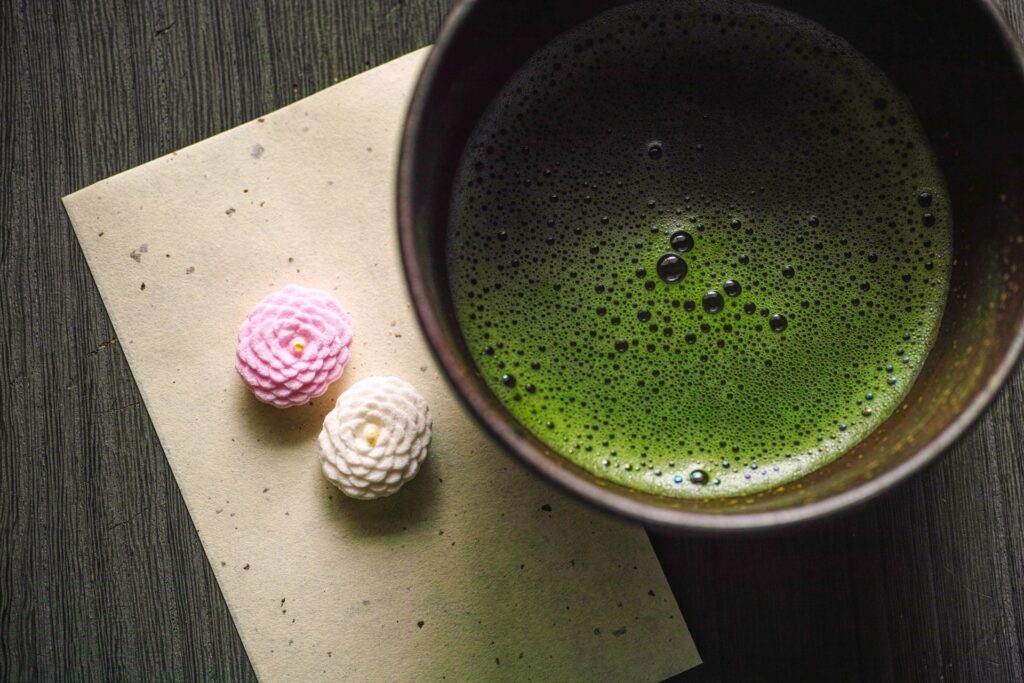
Wagashi are traditionally made using plant-based ingredients such as:
- Beans
- Rice flour
- Sugar
For this reason, wagashi-making experiences are generally suitable for many dietary needs.
However, it is still important to check for:
- Gelatin (should be agar, made from seaweed)
- Coloring agents (some use insect-derived coloring)
- Alcohol-based preservatives
If these points are confirmed, wagashi making can be enjoyed safely by many guests with dietary restrictions.
Tea Ceremony: Why “Tea & Sweets Only” Is the Safest Option
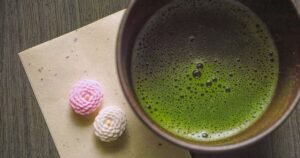
A tea ceremony that includes matcha and wagashi only (called Teicha) is considered one of the most dietary-friendly cultural experiences in Japan.
Why it works well:
- Matcha is 100% plant-based
- No meals are involved
- Only the wagashi ingredients need to be checked
For guests with dietary restrictions, this type of tea ceremony offers a calm and inclusive way to experience Japanese culture.
Important Note About Tea Ceremony with Meals (Kaiseki)
Some tea ceremony experiences include a meal such as kaiseki or bento-style dishes.
In these cases, extra care is required.
Things to be aware of:
- Dashi (broth) often contains fish
- Seasonings like soy sauce, miso, and mirin may contain alcohol
- Cross-contamination during food preparation may occur
If you have strict dietary requirements, we strongly recommend discussing details in advance.
Country & Cultural Backgrounds: Why Communication Matters
Guests often ask whether dietary restrictions are common among travelers from certain regions.
For example:
- Guests from Southeast Asia or the Middle East may be more conscious of halal requirements
- Guests from India may follow vegetarian or lacto-vegetarian diets
- Guests from Western countries may follow vegetarian or vegan lifestyles for ethical reasons
However, individual standards always vary, even within the same country or religion.
Clear communication is the key to a comfortable experience.
Our Approach: Transparency and Communication
We believe that guests with dietary restrictions should not have to give up cultural experiences.
Rather than making assumptions, we focus on:
- Clear explanations of ingredients
- Honest communication about what can and cannot be adjusted
- Helping guests decide what feels comfortable for them
If you have dietary restrictions and are unsure whether an experience is suitable, please feel free to contact us before booking.
We are happy to discuss details and help you enjoy Japanese culture with confidence.