What Is Nanakusa Gayu?
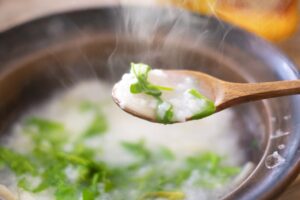
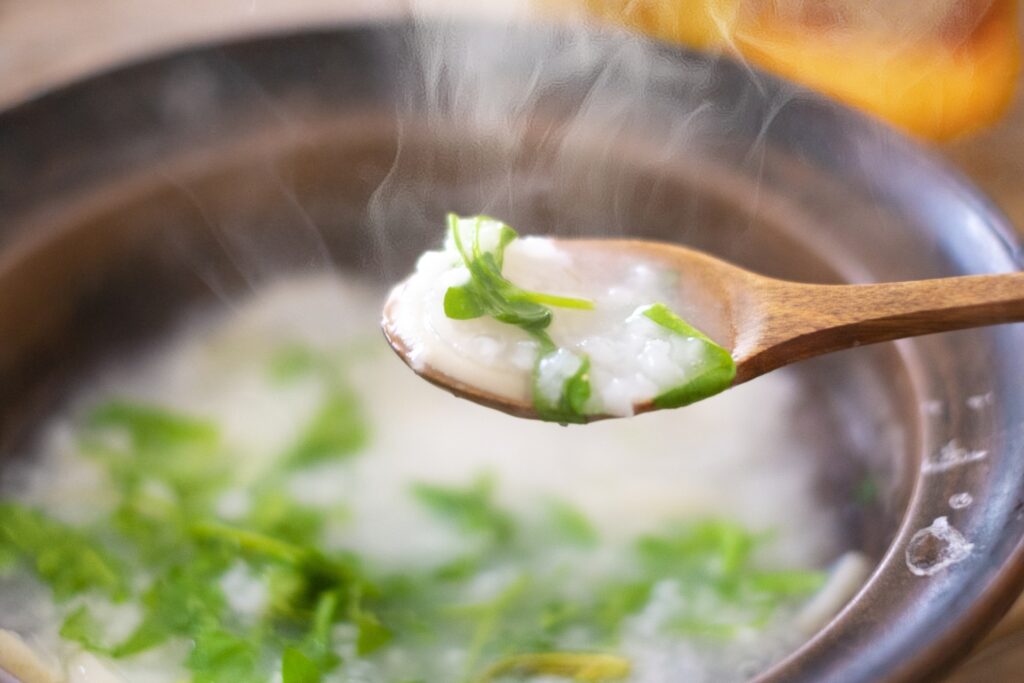
Nanakusa Gayu is a traditional Japanese rice porridge eaten on January 7th.
It is made with plain rice porridge and seven kinds of herbs, known as the Seven Herbs of Spring.
People eat Nanakusa Gayu to rest the stomach after New Year’s feasts and to wish for good health throughout the year.
It is a very simple dish, lightly seasoned with salt, and quite different from the rich and festive foods enjoyed during the New Year holidays.
Why January 7th?
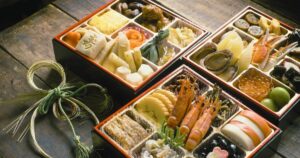
In Japan, the New Year is traditionally celebrated with special foods called osechi ryori.
These dishes are beautiful and symbolic, but they are also rich and heavy.
January 7th marks the end of the New Year celebration period.
On this day, people switch from festive meals to something gentle and calming for the body.
Nanakusa Gayu represents this transition — from celebration back to everyday life.
Why “Spring” Herbs in the Middle of Winter?
This is one of the most confusing points for many non-Japanese readers.
Although January is still winter, the Japanese traditional calendar was based on seasonal changes rather than modern Western months.
In this older system, the first signs of spring were believed to appear around this time.
The herbs used in Nanakusa Gayu are called Spring Herbs because:
- They are among the earliest plants to sprout after winter
- They symbolized new life, renewal, and vitality
- Eating them was believed to bring health and protection from illness
So “spring” here refers not to the temperature, but to the idea of a new seasonal cycle beginning.
The Seven Herbs of Spring
The seven herbs traditionally used are:
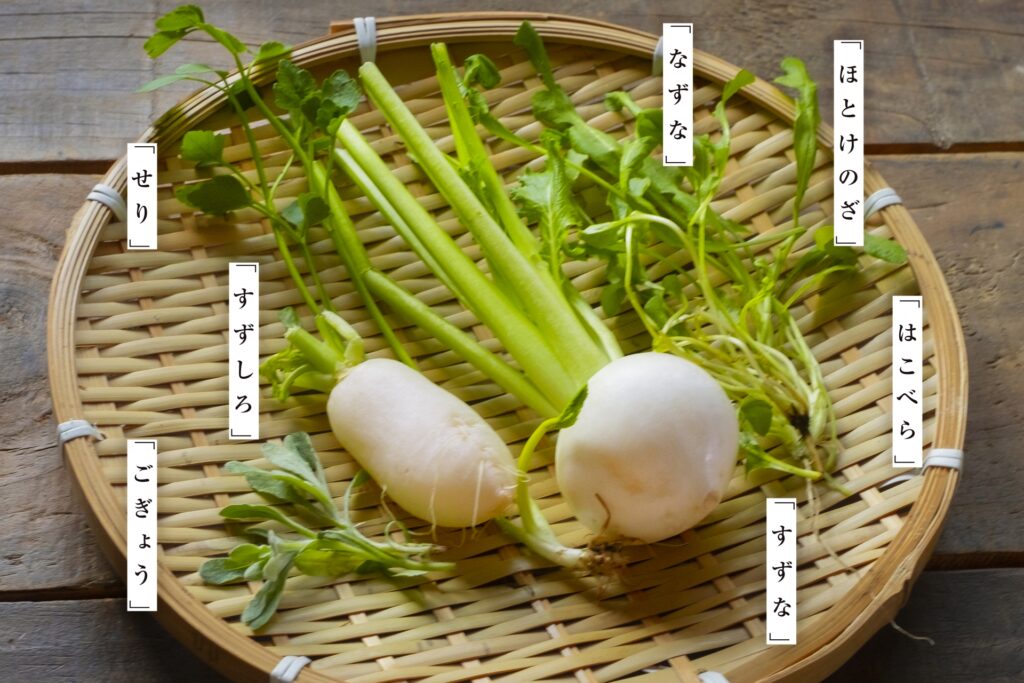
Seri (Japanese parsley) せり
Nazuna (shepherd’s purse) なずな
Gogyō ごぎょう
Hakobera はこべら
Hotokenoza ほとけのざ
Suzuna (turnip) すずな
Suzushiro (daikon radish) すずしろ
Today, most people buy these herbs as a ready-made set at supermarkets, especially in early January.
The History of Nanakusa Gayu
The custom originally came from ancient China, where people ate young greens on the seventh day of the New Year to remove bad luck and pray for health.
This practice was introduced to Japan and became part of court rituals during the Heian period (over 1,000 years ago).
Later, during the Edo period, it spread among ordinary people and became a familiar household tradition that continues today.
How Nanakusa Gayu Is Eaten
There are no strict rules, but commonly:
- It is eaten on the morning of January 7th
- The flavor is kept very light
- Families eat it together while wishing for health in the coming year
Some households eat it in the evening, depending on their lifestyle.
Simple Way to Make Nanakusa Gayu
Ingredients (for 2 people)
- Cooked rice
- Water
- Seven herbs
- A pinch of salt
Steps
- Finely chop the herbs
- Simmer rice and water in a pot
- Add the herbs near the end and cook briefly
- Season lightly with salt
The result is a warm, gentle dish that feels calming and restorative.
A Quiet Expression of Japanese Values
Nanakusa Gayu is more than just food.
It reflects a Japanese way of thinking — listening to the body, respecting seasonal change, and valuing balance.
Rather than continuing indulgence, this tradition teaches the importance of pausing and resetting at the start of the year.
Experiencing Japanese culture through such everyday customs can offer a deeper understanding of how people live, think, and connect with the seasons.